A new dessert trend is dominating TikTok feeds and inspiring home cooks worldwide. Known as the “Japanese Cheesecake” trend, this simple yet satisfying recipe has captured attention for one main reason—its surprising simplicity.
With only a couple of ingredients and almost no baking skills required, the dessert delivers a creamy, cheesecake-like flavor that has food creators and everyday viewers experimenting in their kitchens.
Videos showcasing the recipe continue to gain millions of views as creators test their own versions. Many describe it as an easy, sweet treat that works as both dessert and breakfast, depending on the ingredients added.
As a result, the trend has quickly become one of the most talked-about food moments of 2026.
Understanding the “Japanese Cheesecake” Trend
@lilsamosa_ 5 min recipe ⬇️ I’m shook… had to try the viral trend but with my own twist! 2 tbsp maple syrup in a tub of greek yogurt 1 tsp cardamom parle-g crushed pistachios refrigerate 5+ hours @siggisdairy 🤌🏽🤌🏽🤌🏽 #japanesecheesecake #cheesecakerecipe #healthyrecipes #highproteindessert #browntok ♬ Carefree Days – Peaceful Reveries
Despite the name, this trending dish is not a traditional baked cheesecake. The recipe focuses on recreating the taste and texture of cheesecake using a minimal ingredient method.
According to Food & Wine, the concept appears to have originated with creators in Japan who experimented with sablé cookies and yogurt to mimic the flavor of cheesecake. Once videos started circulating online, the idea spread quickly across TikTok.
The popularity of the trend comes down to three simple factors: very few ingredients, almost no preparation time, and easy customization.
Because the ingredients are common pantry items, many viewers can try the recipe immediately without shopping for specialty products.
Why the Recipe Spread So Quickly Online
Social media trends often grow when they combine convenience with visual appeal. The Japanese cheesecake recipe checks both boxes.
Creators began posting videos of the mixture transforming into a soft, cheesecake-like dessert after resting in the refrigerator. Comment sections quickly filled with viewers praising the taste and texture.
Food creator Ashley Poladian, known on TikTok as the “Protein Snack Queen,” shared the recipe with her audience of more than 450,000 followers. She explained that viral recipes often spread rapidly online and can gain momentum within days.
Poladian told PEOPLE:
“Viral recipes can catch fire and spread so quickly, and as a food content creator, I never want to be late to a trend that I especially find relevant for my audience.”
She quickly adapted the recipe to fit her niche by creating a protein-focused version.
Another creator, Tiv Phull, who shares healthy Indian recipes on her TikTok account @lilsamosa with more than 70,000 followers, also experimented with the trend. She explained that the recipe resonates because many people already have the ingredients at home.
Phull described the appeal as hitting a “sweet spot for a viral food moment.”
TikTok user Courtney Lee O’Shea, who often tests viral recipes online, also joined the trend. She previously tried several other social media food experiments, including Greek yogurt topped with dates sautéed in butter, finished with honey and olive oil.
She shared with PEOPLE:
“I was genuinely surprised by how much it tastes like cheesecake. It’s so delicious — my husband loved it too — and I already plan on making it again this week.”
How to Make Your Own Japanese Cheesecake
The basic recipe requires only two ingredients, which makes it one of the easiest food trends circulating online.
Ingredients
– Yogurt (Greek yogurt or skyr works best)
– Biscuit cookies
Many creators choose Biscoff biscuits, though other cookies work just as well.
Simple Preparation Steps
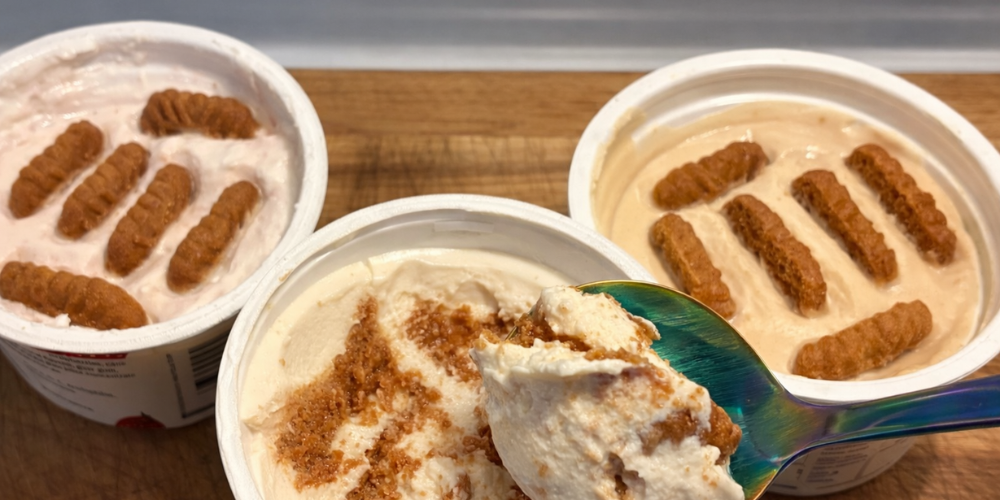
– Place several cookies into a small container of yogurt.
– Press them down so the cookies sit fully inside the yogurt.
– Cover and refrigerate for several hours.
– Allow the cookies to soften and blend into the yogurt mixture.
During refrigeration, the cookies absorb moisture from the yogurt. As they soften, the mixture thickens and begins to resemble the creamy texture of cheesecake.
Greek yogurt and skyr are popular options because their thick consistency and mild tanginess help mimic the flavor profile of traditional cheesecake.
Popular Variations Shared by Creators
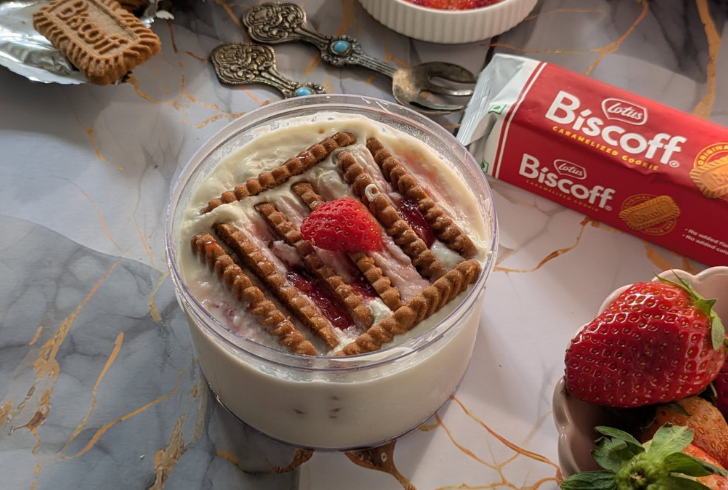
Instagram | foody_maniaa | Accessible ingredients and effortless techniques make the Japanese cheesecake a customizable sensation.
The simplicity of the recipe leaves plenty of room for experimentation. Many creators have introduced their own twists to personalize the dessert.
Common additions to Japanese cheesecake often include fresh berries or sliced fruit, a drizzle of honey or maple syrup, chocolate cookies like Oreos, or graham crackers instead of traditional biscuits.
Some versions even include nuts or flavored yogurt to change the taste and texture.
Tiv Phull introduced a variation inspired by familiar Indian pantry staples. She replaced traditional biscuits with Parle-G cookies, a nostalgic favorite in many households. She also added cardamom, which added a warm, recognizable flavor to the dish.
Phull explained her approach:
“I love taking trends and making them feel personal, nostalgic, and aligned with my Indian-inspired, wellness-focused style.”
These creative twists continue to keep the trend fresh as new videos appear daily.
Why This Dessert Trend Appeals
Several factors explain why the Japanese cheesecake trend has gained popularity. The ingredients are affordable and widely available, and the preparation requires no baking equipment or complicated steps. The base recipe serves as a blank canvas, allowing creators to adjust flavors with different cookies, toppings, or spices.
The viral “Japanese Cheesecake” TikTok trend demonstrates how a simple combination of yogurt and cookies can create a creamy dessert reminiscent of traditional cheesecake.
Creators like Ashley Poladian, Tiv Phull, and Courtney Lee O’Shea have expanded the trend by experimenting with flavors and cultural ingredients, showing how adaptable the recipe can be.
With minimal ingredients and flexible customization, this trend continues to evolve and capture widespread attention online.