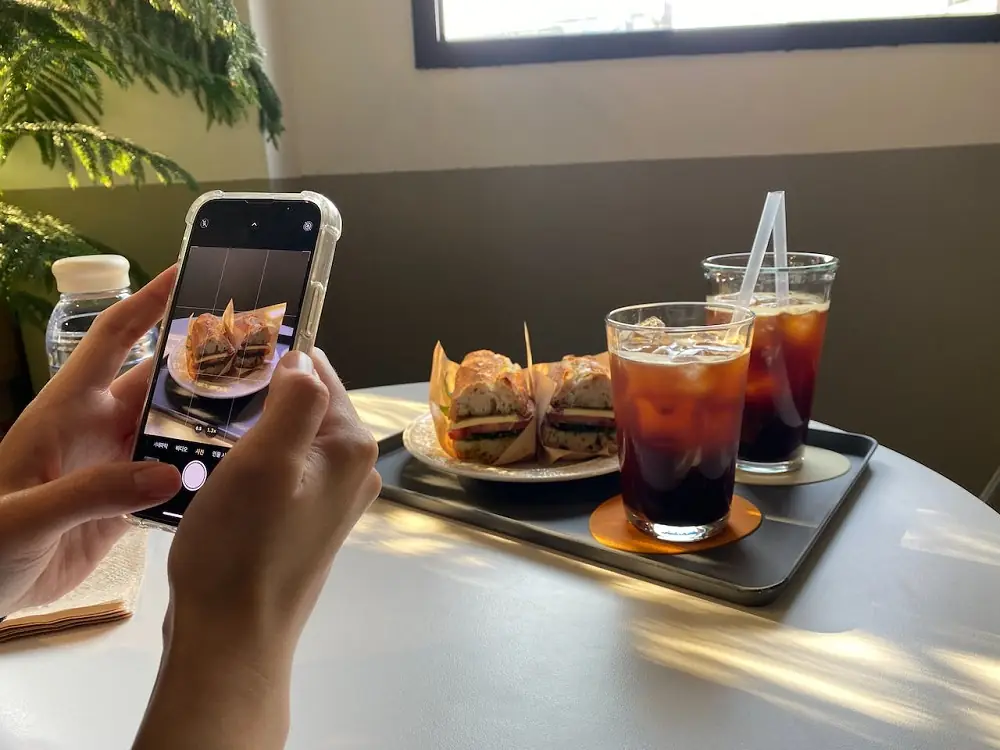
In today’s digital age, social media influencers have permeated almost every facet of our lives, from fashion and beauty to homes, food, and relationships. While their influence may seem harmless in many areas, when it comes to health, things can get tricky.
A recent investigation by The Washington Post and The Examination, a publication focused on global public health, has shed light on the growing trend of dietitian influencers getting paid to shape public perceptions of healthy eating and influence their followers’ dietary habits.

The Aspartame Controversy
In July, the World Health Organization (WHO) released two reports concerning the safety of aspartame, a popular artificial sweetener found in beverages like Diet Coke and Diet Pepsi.
This development caught the attention of American Beverage, a trade and lobbying group representing major companies like Coca-Cola and PepsiCo. To counteract the potential impact of the WHO reports on consumers, a hashtag began to gain momentum across social media platforms: #safetyofaspartame.
Influencers Paid to Shape Perceptions
Steph Grasso, a registered dietitian hailing from Oakton, Va., boasting a whopping 2.2 million TikTok followers and a fanbase of 224,000 on Instagram, threw shade at the WHO’s aspartame warnings, tagging it as “clickbait” built on “questionable science.”
In a different corner of the internet, Cara Harbstreet, the “Anti-Diet Dietitian” in Kansas City, dished out a comforting message to her Insta crew, urging them not to sweat over “fear-inducing headlines” surrounding aspartame.
Meanwhile, down in Houston, Mary Ellen Phipps, another dietitian, took a sip from her soda glass on Instagram, assuring her audience that artificial sweeteners hit the sweet spot without messing with blood sugar or insulin levels.
What’s often not made clear to viewers is that American Beverage sponsored these posts, compensating approximately 10 registered dietitians, a physician, and a fitness influencer for using their social media accounts to counter the WHO’s claims that aspartame is ineffective for weight loss and “possibly carcinogenic.”
A Stealthy Influence Tactic
This strategy of enlisting popular influencers to sway consumers is relatively unknown to the general public, and the food and beverage industry is capitalizing on it. These influencers create content that blurs the lines between health advice and paid promotion, leaving their followers in a dilemma about what to believe.
Disclosure Challenges
American Beverage maintains that the dietitians involved in their campaign adequately disclosed their relationships by using the #safetyofaspartame hashtag, linking to the website, and/or indicating posts as paid partnerships.
However, according to The Washington Post, only 11 of 35 videos explicitly mentioned the association or “AmeriBev” as their partner. This falls short of the guidelines set by the U.S. Federal Trade Commission, which advises social media influencers to be transparent about their promotional partnerships.
The Voice of Confusion
Followers of these influencers found themselves understandably perplexed while trying to discern between genuine health advice and paid advertisements. Although Mary Ellen Phipps did specify that her video on aspartame was a paid partnership and included the hashtag #ad, alongside #safetyofaspartame, #diabetes, and #bloodsugarfriendly, her followers were still skeptical.
A Struggle for Credibility
Some of Phipps’ followers questioned her credibility, with one individual commenting, “I’ll be taking what you say with a grain of salt since this is a paid advertisement.” In response, Phipps defended herself by encouraging people to evaluate online content critically.
She also doubled down on aspartame’s safety, citing “the current body of research” that supports its safety in “moderate amounts.” However, her efforts to reassure her followers seemed insufficient to overcome their disillusionment.