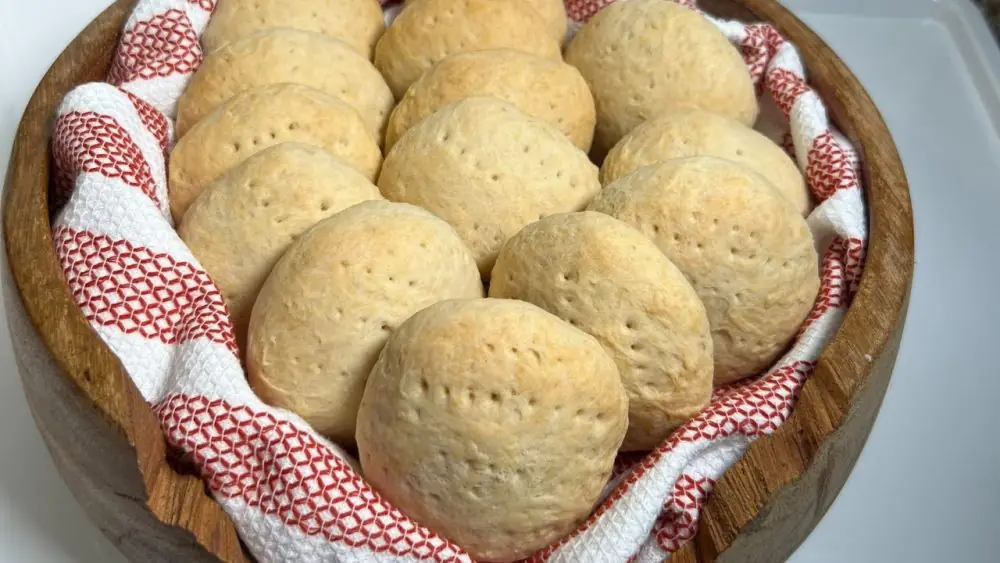
When we think of American cuisine, images of burgers, apple pies, and hot dogs often spring to mind. However, long before these modern staples became synonymous with the US, early Americans dined on a variety of foods that would seem alien to us today. These ancient delicacies, once beloved, have largely faded into the annals of history, their flavors and recipes forgotten over time.
Now, let’s go ahead and dive into the culinary past and explore the top five foods early Americans loved but are now lost in history.
Succotash
A dish still known in some parts of America, Succotash, particularly in the Northeast and the South, was once a staple of the Native American diet long before European settlers arrived. Its original form was a hearty mix of beans and corn, two of the “Three Sisters” crops that were the foundation of Indigenous agriculture.
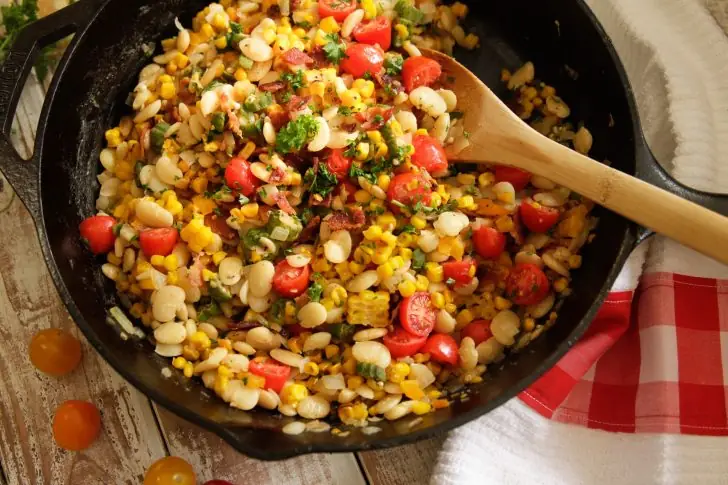
Over time, the recipe evolved, incorporating ingredients brought by Europeans. But the essence of succotash as a symbol of pre-colonial abundance has largely been overshadowed by more modern dishes. The traditional succotash celebrated harmony with nature and the seasons. A concept that is often overlooked in today’s fast-paced world.
Pemmican
Next up: Pemmican is a high-energy food that was invented by the Native Americans and widely adopted by early explorers, fur traders, and settlers. This compact, durable mix of lean, dried meat (usually bison, elk, or deer), fat, and sometimes berries, was an early version of today’s energy bars. It could last for years without spoiling, making it an essential survival food in harsh conditions.
However, with the advent of modern preservation and food processing technologies, pemmican’s practicality waned, and it has since faded from the mainstream American diet, remembered more as a historical curiosity than a dietary staple.
Terrapin Stew
Made from the small, edible turtles found in the coastal marshes of the Eastern United States, Terrapin stew was a luxurious delicacy in the 18th and 19th centuries. This rich, creamy stew was a favorite among the American elite, celebrated for its unique flavor.
However, overfishing and habitat destruction led to a decline in terrapin populations, making the dish not only ethically questionable but also scarce. Today, terrapin stew is a rare find, more likely to be read about in historical texts than seen on the dinner table.
Sapa
A sweet syrup made by concentrating the juice of fresh grapes, Sapa was a common sweetener among early American settlers before the widespread availability of cane sugar. This labor-intensive process, which has its roots in Ancient Roman cuisine, produced a rich, complex flavor that was a staple in kitchens for sweetening dishes and making desserts.
However, as sugar became more accessible and affordable, the production of sapa dwindled. Today, it is a largely forgotten ingredient, a relic of a time when foods were preserved and sweetened by the most natural and available means.
Johnnycakes
Johnnycakes, or journey cakes, are a type of cornmeal flatbread that was a common food among early settlers and Indigenous peoples in America. This simple, versatile bread could be carried on long journeys and served as a reliable source of sustenance.
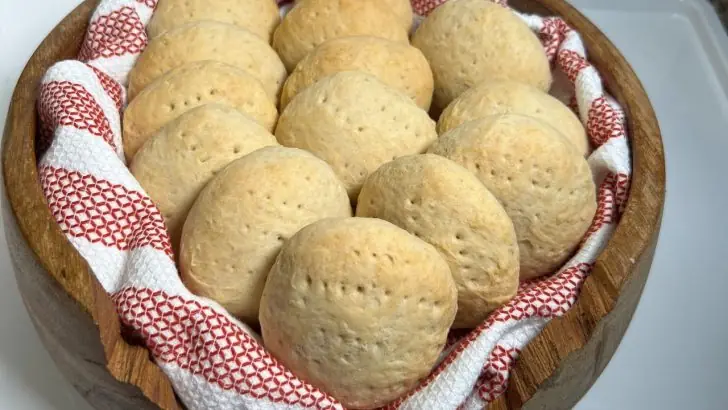
The humble Johnnycake symbolizes the adaptability and resourcefulness of early Americans, qualities that are worth remembering and celebrating.