
In an era where environmental consciousness is at the forefront of our minds, making eco-friendly choices has become more critical than ever. While we may be diligently recycling and reducing our plastic waste, there’s a hidden culprit that often goes unnoticed: our kitchens.
Surprisingly, the heart of our homes can be a hotbed of environmental unfriendliness. In this article, we’ll explore why your kitchen might not be as eco-friendly as you think.
Single-Use Plastics
One of the most glaring, eco-unfriendly aspects of many kitchens is the excessive use of single-use plastics. From disposable cutlery and plates to plastic wrap and sandwich bags, these items contribute to our growing plastic pollution crisis.

Using these products may be convenient, but the environmental cost is staggering. Switching to reusable alternatives such as glass containers, stainless steel cutlery, and beeswax wraps can significantly reduce your kitchen’s plastic footprint.
Power-Hungry Appliances
Modern kitchens pack a punch with their energy-guzzling pals like fridges, dishwashers, and ovens. They’re undeniably handy but guzzle electricity, firing up those carbon emissions.
For a greener kitchen, splurge on energy-savvy appliances rocking those high Energy Star ratings. And here’s a pro tip: Use them smartly—like waiting to run the dishwasher until it’s fully loaded or zapping meals in the microwave when you can.
Taming Food Waste
The kitchen is where the battle against food waste begins. Fun fact: A third of all grub globally gets wasted, says the Food and Agriculture Organization. Blame it on not planning meals well, storing food in a haphazard way, or snubbing leftovers.
To slash this waste, start by getting crafty with meal plans, mastering the art of proper food storage, and giving leftovers a makeover. Oh, and composting kitchen scraps? It’s like giving food waste a green makeover.
Eco-Unfriendly Cleaning Crew
Cleaning in the kitchen is like an Olympic sport, but those harsh chemical cleaners? Not so eco-friendly. They’re packed with nasties that mess up air and water—plus, there’s that plastic packaging problem.
Switch up your game with natural, biodegradable cleaning buddies. Think simple wonders like vinegar, baking soda, and lemon juice—your kitchen superheroes that save the planet one wipe at a time.
Excessive Water Usage
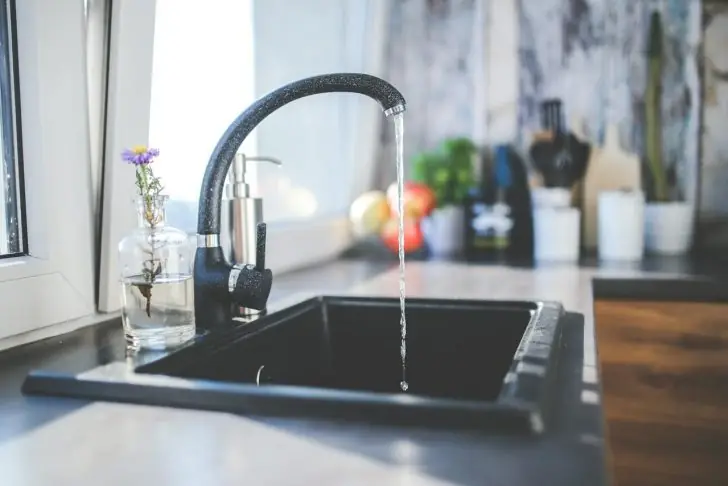
Water is a precious resource, and the kitchen is a place where water is used abundantly. From washing dishes to cooking and cleaning, it’s easy to be wasteful with water. Consider installing low-flow faucets and energy-efficient dishwashers to reduce water consumption. Additionally, using a basin to wash vegetables or collect excess water can be a simple yet effective way to save water.
Over-Packaging
Packaging is another significant issue in the kitchen. Many food items come in excessive and non-recyclable packaging, contributing to landfill waste. Buying in bulk and choosing products with minimal or eco-friendly packaging can help reduce this problem. Additionally, consider bringing your reusable bags and containers when shopping for groceries to minimize packaging waste further.

Inefficient Lighting
Inefficient lighting can also be a hidden eco-unfriendly aspect of your kitchen. Older kitchens may still use incandescent or halogen bulbs that are energy hogs. Switching to energy-efficient LED lighting reduces energy consumption and saves you money on your electricity bills. Additionally, using natural light whenever possible can further decrease your kitchen’s reliance on artificial lighting.
Neglecting Energy-Saving Practices
Many kitchen practices contribute to excessive energy consumption without us even realizing it. Leaving the fridge door open while deciding what to eat, preheating the oven longer than necessary, and using the stove’s largest burner for small pots are all common energy-wasting habits. To make your kitchen more eco-friendly, be mindful of these practices and try to conserve energy.