Hmong food is finally getting its moment, and two chefs are leading the charge. For years, Hmongs cooked quietly in home kitchens, serving bold, herb-packed meals that told stories of survival. Now, chefs like Yia Vang and Diane Moua are flipping the script, bringing Hmong flavors to modern diners with a fresh voice and serious skill.
Their restaurants, Vinai and Diane’s Place, are making Hmong cuisine visible in ways it has never been before. They mix tradition with invention, turning memory into menus.
Hmongs Bring Their Roots to the Plate
Hmongs come from Southeast Asia, with roots in Laos, Vietnam, and Thailand. But their food is not just a copy of those cuisines. It is its own thing. Big flavors, fresh herbs, sticky rice, fiery sauces, and always, a story behind every bite.
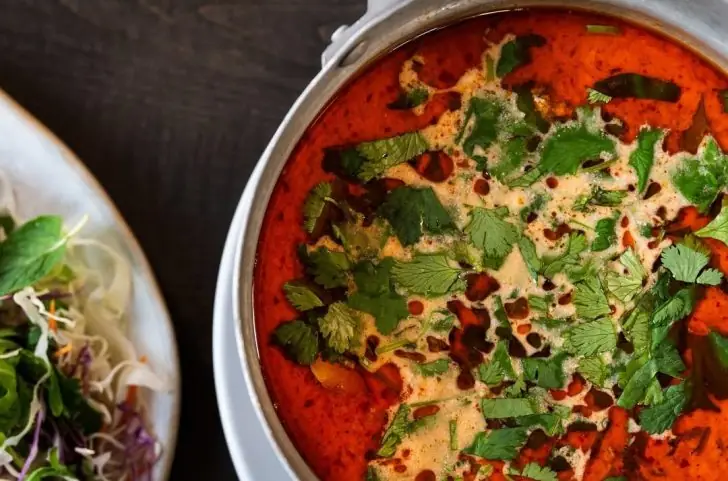
That flexibility is part of what makes it special and why it has been overlooked for so long. Western diners love boxes and labels. Hmong food doesn’t fit in one.
Born in a Thai refugee camp, Yia Vang grew up in Wisconsin, where his family cooked from memory, not cookbooks. Those meals stayed with him. Today, he runs Vinai, a restaurant named after the camp where he was born. For him, food is personal.
Diane Moua made her name as a pastry chef. Now, with Diane’s Place, she has gone back to her roots, serving papaya noodle salads, sticky rice, and coconut pandan croissants. Her food is softer but just as powerful. She centers the women in her family who taught her how to cook.
Moua’s approach is elegant and focused. She doesn’t shout her message, but it is clear: Hmong women built these food traditions, and now they are taking credit for them. Every dish she serves carries the fingerprints of her mother, her aunties, and her community.
Hmong Food Represents Identity, the Chefs Say
For both chefs, Hmong food is bigger than what is on the plate. It is a way to talk about identity, migration, survival, and home. When Vang grills chicken over an open fire, he is remembering the mountains his parents fled from. When Moua slices pandan croissants, she is weaving together old flavors and new dreams.
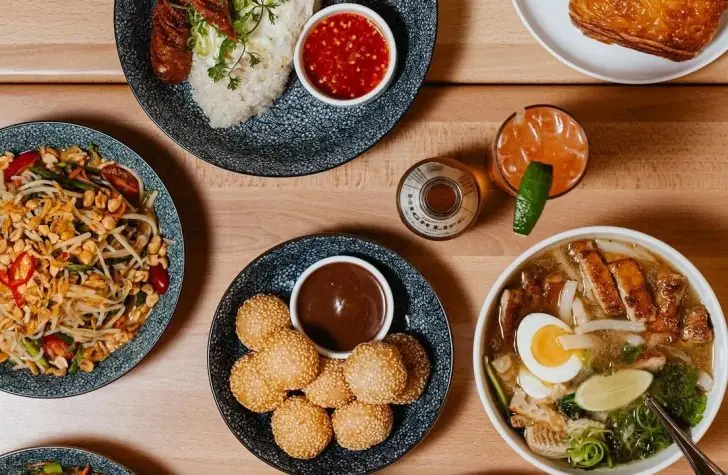
The success of Vang and Moua isn’t happening in a vacuum. Hmong-Americans are rising in every field, from Olympic gymnast Sunisa Lee to local politics and business. Their restaurants are part of that rise. They are showing the public that Hmongs are here, proud, and creative.
In Minnesota, where both chefs are based, these restaurants are bringing people together. In a time of division, their food is a kind of bridge.
What Makes Hmong Cuisine Stand Out?
Hmong food hits different. It takes influences from Laos, Thailand, and Vietnam, but it is not the same. It is punchy, fresh, and sharp. You will find sticky rice, herb-packed sausage, pepper dips like kua txob ntsw, and grilled meats with real bite.
Some dishes are straight from tradition, others have a twist. At Vinai, you might see a banh mi brat, a bratwurst loaded with pickled veggies and herbs. At Diane’s Place, a classic steamed bun turns into a galabao stuffed with unexpected fillings. It is that mix of old and new that keeps it exciting.